

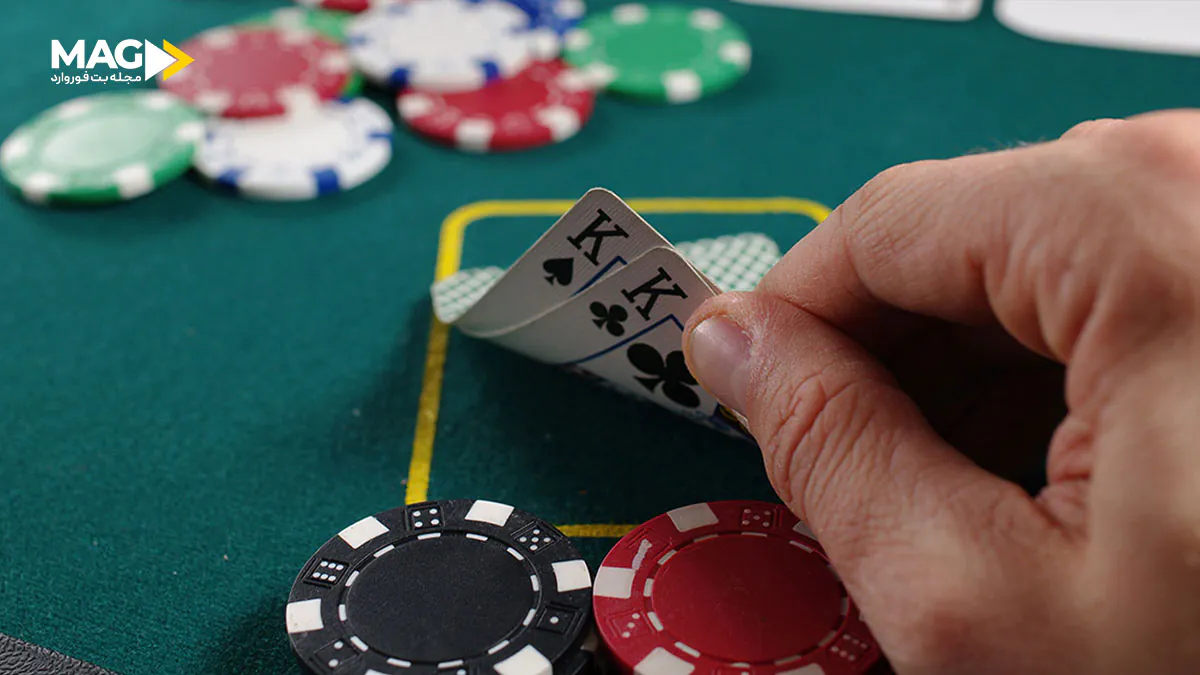
Poker is not just a card game—it’s a skill-based competition that combines logic, psychology, and decision-making. Many beginners think poker is all about luck, but in reality, experienced players consistently win because they understand strategy and control their gameplay.
In this step-by-step tutorial, you’ll learn how to play poker, understand the rules, and build a solid foundation to improve your skills.
What Is Poker and How Does It Work?
Poker is a game where players compete to win chips by either having the best hand or forcing others to fold. It includes multiple rounds of betting, and each decision you make can affect the outcome.
If you want to dive deeper into poker, learning the basics properly is the most important first step.
Step-by-Step Poker Tutorial
Step 1: Learn the Goal of the Game
The main objective in poker is simple:
-
Win the pot (all the chips on the table)
-
Either by having the strongest hand
-
Or by making all opponents fold
Step 2: Understand Hand Rankings
Before playing, you must memorize poker hand rankings:
-
Royal Flush (best hand)
-
Straight Flush
-
Four of a Kind
-
Full House
-
Flush
-
Straight
-
Three of a Kind
-
Two Pair
-
One Pair
-
High Card (weakest)
Knowing these rankings helps you make better decisions during the game.
Step 3: Learn the Game Flow
In most poker games (like Texas Hold’em), the flow is:
-
Players place initial bets (blinds)
-
Each player receives cards
-
Betting round begins
-
Community cards are revealed
-
More betting rounds occur
-
Final showdown determines the winner
Step 4: Learn Player Actions
During the game, you can choose to:
-
Check: Pass the action without betting
-
Bet: Put chips into the pot
-
Call: Match another player’s bet
-
Raise: Increase the bet
-
Fold: Give up your hand
Understanding when to use each action is key to success.
Beginner Strategies for Poker
Play Fewer Hands
One of the biggest beginner mistakes is playing too many hands. Focus only on strong starting hands.
Pay Attention to Position
Your position at the table matters a lot:
-
Early position = less information
-
Late position = more control and better decisions
Don’t Be Afraid to Fold
Folding is part of the game. Even professional players fold most of their hands.
Stay Consistent
Avoid changing your strategy too often. Stick to a simple and effective approach.
How to Improve Your Poker Skills
Practice Regularly
The more you play, the more comfortable you become with different situations.
Watch Other Players
Observe how experienced players bet, bluff, and react.
Review Your Hands
After each session, think about your decisions and how you could improve.
Learn Basic Math
Understanding simple probabilities and odds can give you a big advantage.
Understanding Bluffing
What Is Bluffing?
Bluffing means pretending to have a stronger hand than you actually do.
When to Bluff
-
When your opponent shows weakness
-
When you have a good table image
-
When the situation supports your story
When Not to Bluff
-
Against beginners who call too often
-
When multiple players are in the hand
Common Mistakes Beginners Make
Playing Emotionally
Emotions can lead to bad decisions. Always stay calm and focused.
Chasing Losses
Trying to win back money quickly often leads to bigger losses.
Ignoring Opponents
Poker is not just about your cards—it’s about how others play.
Online Poker vs Live Poker
Online Poker
-
Faster gameplay
-
More hands per hour
-
Easier to practice
Live Poker
-
Real interaction
-
Ability to read body language
-
Slower pace
Both are useful for learning and improving your skills.
Simple Practice Plan for Beginners
Week 1
-
Learn rules and hand rankings
-
Play free games
Week 2
-
Focus on position and strong hands
-
Avoid risky plays
Week 3
-
Start using simple strategies
-
Practice bluffing carefully
Week 4
-
Analyze your gameplay
-
Improve decision-making
Conclusion
آموزش بازی پوکر takes time, but with the right approach, anyone can improve. It’s a game of patience, strategy, and continuous learning.
By understanding the rules, practicing regularly, and avoiding common mistakes, you can build a strong foundation and gradually become a better player. Whether you play for fun or want to take it seriously, poker offers endless opportunities to grow and succeed.
Reference: بت فوروارد